
The Allure of Casinos: Why Do People Gamble?
Casinos have an undeniable magnetic effect on individuals, drawing in players with the promise of excitement and potential rewards. This allure can be attributed to various psychological factors, including the thrill of risk and the anticipation of winning. For many, gambling is not merely a pastime but a means to escape from reality, where the stress of daily life can be temporarily forgotten amidst the flashing lights and sounds of slot machines. Many players also seek out fun in a social casino, where gaming becomes a shared experience.
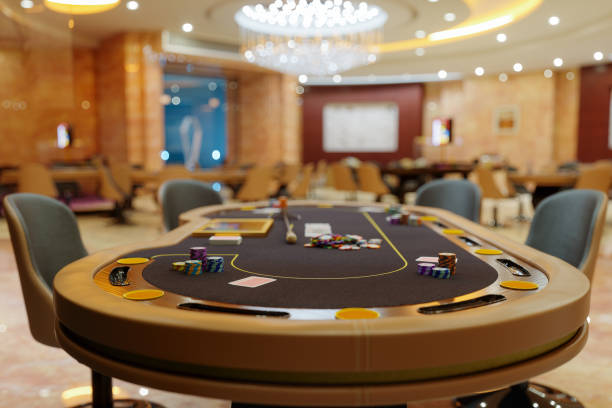
Additionally, the environment of a casino is meticulously designed to encourage prolonged engagement. The lack of clocks, the dim lighting, and the intoxicating sounds of coins hitting the jackpot all contribute to a euphoric atmosphere that can heighten the emotions tied to gambling. This carefully crafted ambiance plays a critical role in keeping players enthralled and often leads to irrational decision-making regarding their bets.
The Role of Cognitive Biases in Gambling Behavior
Cognitive biases significantly impact how individuals perceive their chances of winning and influence their gambling behaviors. One prominent example is the “gambler’s fallacy,” where individuals believe that past events can influence future outcomes in games of chance. For instance, a player might think that since a slot machine hasn’t paid out recently, it is more likely to do so soon, leading them to bet more heavily in hopes of a coming win.
This misconception can lead to risky betting strategies, as players often misjudge their odds. The psychological concept of “loss aversion” also plays a role, as individuals tend to prefer avoiding losses over acquiring equivalent gains. This means that players may continue gambling to recoup losses rather than walk away, further entrenching them in the cycle of gambling.
Emotions and Gambling: The Connection
The emotional component of gambling cannot be overlooked, as feelings of excitement, hope, anxiety, and despair are all integral to the experience. Winning can produce a rush of euphoria, while losing can lead to frustration and despair. This emotional rollercoaster can create a compelling cycle, where the thrill of victory reinforces the desire to gamble despite the associated risks.
Furthermore, the concept of “chasing losses” often comes into play. When individuals encounter setbacks, they may feel compelled to keep playing in hopes of breaking even. This emotional response can cloud judgment, leading to impulsive decisions that exacerbate financial troubles and reinforce negative patterns of behavior.
The Social Aspect of Gambling
Gambling is often a social activity, with many individuals enjoying the camaraderie that comes from playing alongside others. This social dynamic can enhance the gambling experience and contribute to a sense of belonging. Engagement in group activities, such as poker nights or casino outings, fosters relationships where players share in both victories and defeats.
Moreover, the presence of other players can amplify emotions. The excitement of winning can spark cheers and celebrations, while losses are often shared and empathized with in groups. These shared experiences can lead individuals to gamble more than they would alone, as the social environment encourages risk-taking behaviors.
Finding the Right Casino for You
Understanding the psychology of gambling can lead players to make more informed choices when selecting a casino. It is vital to find an environment that aligns with one’s personal gaming style and emotional comfort level. For instance, some players thrive in high-energy settings, while others may prefer quieter, more relaxed atmospheres.
In today’s digital age, sweepstakes and social casinos provide unique options for players who may wish to enjoy the gaming experience without the financial pressure typically associated with traditional gambling. Platforms offering dual currency systems allow users to engage in gameplay without the risk of significant monetary loss, making it easier to enjoy the thrill of the game in a more relaxed manner.
Recent Comments